Letters · 16 OCT · 2 min read
Your Salary Went Up. Why Don't You Feel Freer? Lifestyle Inflation, Explained
Every raise can quietly become a new permanent expense. How lifestyle inflation works, and three questions to ask before buying anything expensive.
By Kumar Gaurav
You got the appraisal. The salary went up. A few months later, money feels exactly as tight as before.
This is lifestyle inflation, and it is one of the most common reasons good earners never feel financially free. It rarely comes from one big mistake. It comes from small upgrades that each make sense on their own, and then become the new normal.
The real danger is not the purchase
A single expensive purchase is usually survivable. The danger is the purchase that becomes a new permanent expense: the bigger flat with a bigger rent, the car with an EMI and running costs, the subscription stack, the habits that come with a new circle.
Each one raises the floor of what your life costs. And a higher floor means you need the job more, which means you have fewer choices.
Two people can earn the same and live very different lives. The difference is often not income. It is dependency: how much of next month's salary is already spoken for.
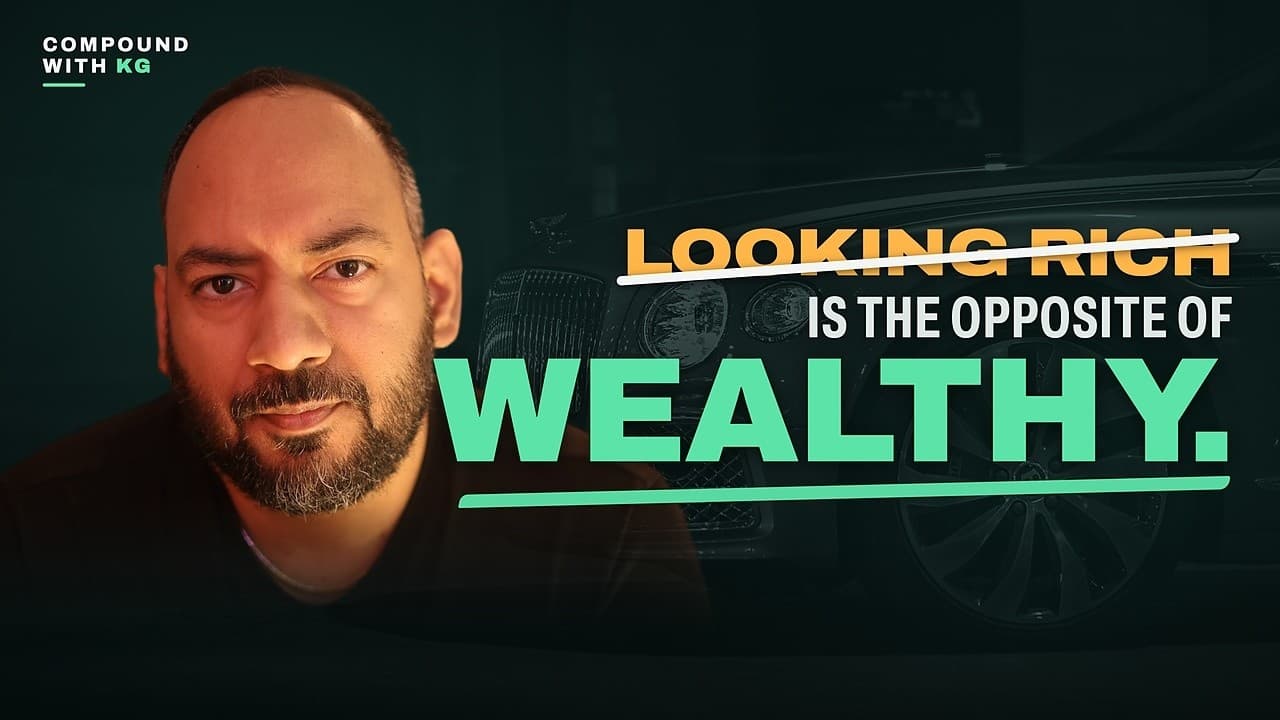
Looking rich and being wealthy are almost opposites
You can feel poor in five seconds. Just open Instagram. Someone your age bought a better car, someone younger bought a bigger house, someone is flying business class.
But you are judging their entire financial life from the small part they chose to show you. A ₹1 crore car does not tell you what you think it does. It tells you about one decision, not the balance sheet behind it.
Visible lifestyle is not wealth. Wealth is mostly what you don't see: savings, investments, skills, and the freedom they buy. Looking rich is about signals. Being wealthy is about options.
Stop asking only "Can I afford it?"
"Can I afford it?" usually means "Can I pay the EMI?" That is the wrong test, because almost anything is affordable in monthly instalments. Before anything expensive, try three questions instead:
- Utility. Will I use it often enough that it changes my days?
- Joy. Will I still enjoy it once nobody else has seen it?
- Constraint. Does it keep my future choices open, or create a new monthly obligation?
If it passes all three, buy it and enjoy it. Expensive things are not the enemy. Status is not automatically bad either; it can be a tool when you use it deliberately. The problem is buying the signal when you wanted the object.
Try it on your next big purchase with the three-question buying tool.
Change the scoreboard
Instead of comparing cars and holidays, keep score with questions like these:
- How much of my time do I control?
- How long could I stop working without panicking?
- Are the things I own creating more choices for me, or more obligations?
After your next raise, try one small rule: decide where the increase goes before it arrives. Some to the life you enjoy, some to savings, some to the skills that will earn you the next one.
Watch the full episode: Why Looking Rich and Being Wealthy Are Almost Opposite Things. Nothing here is financial advice.
The letter
One idea, every other Sunday.
The new episode, its kit, and one practical idea about your career, money or habits.
 11:52
11:52